we are the land: remembering what our bodies already know
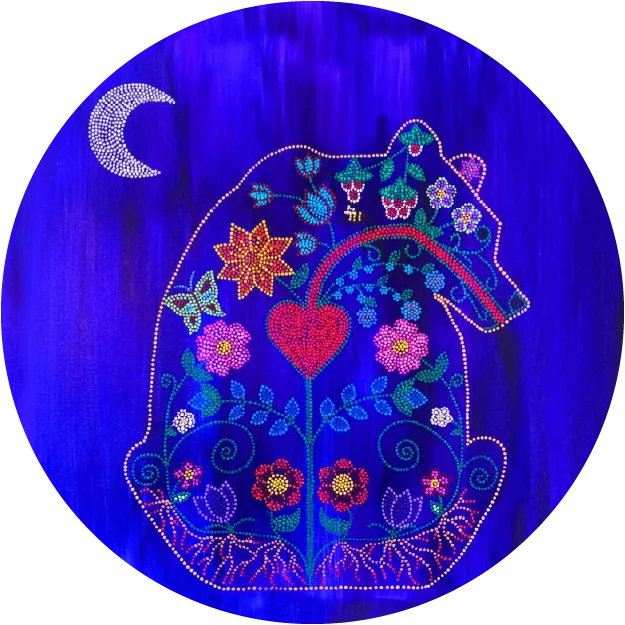
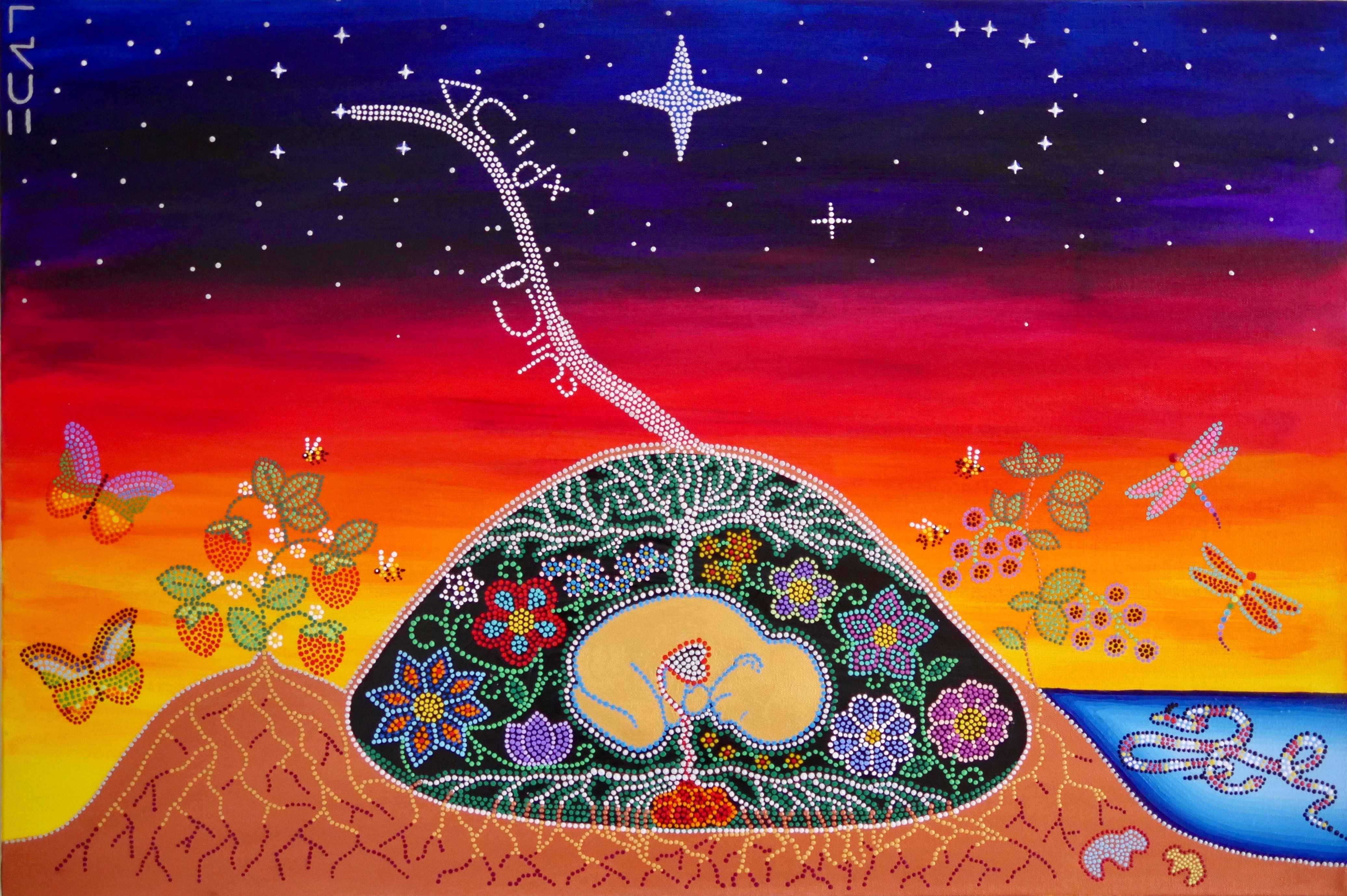
we are not separate from the land. we are the land.
this is not metaphor—this is truth that lives in our bodies, our languages, and our original instructions. everything that makes us human and keeps us alive comes from the land: the water that moves through our bodies, the plants and animals that nourish us, the minerals that form our bones, the breath that keeps us alive. our survival, our health, and our wellbeing are inseparable from that of the land itself.
Indigenous peoples have always held reverence for this relationship—centering natural law and reciprocity in our ways of knowing, being, and doing. the land is a living relative with responsibilities, teachings, and spirit. when we care for the land, we are caring for ourselves. when the land is harmed, that harm shows up in our bodies, our dreams, our nervous systems, and our communities.
colonial systems teach hierarchy and separation—giving the illusion that people have dominion over nature, despite the biological truth that we are entirely dependent upon it for our lives and health. this fracturing that involves pulling humans away from the land, mind away from body, health away from the living world that sustains it, is part of colonial violence. it is a way of severing relationships so deeply that some forget they ever existed.
but our bodies remember.
our bodies know the smell of the damp earth. they know the medicine in the water. they know the language of the wind. they know that healing is not something we do to ourselves, but something that happens with the land.
when we return to the land—even in small ways—something shifts. our breath slows. our shoulders drop. our spirit settles. we remember that we belong to something bigger than us. something even bigger than the systems that try to define us. we remember that wellness is not an individual pursuit but a collective, ecological one.
to say “we are the land” is to reclaim a truth that settler colonialism tried to erase. it is to honour the relationships that kept our ancestors alive for thousands of years. it is to recognize that our bodies are archives of place, memory, and kinship.
and it is to commit to a future where the land is not a resource, but a relative.
because when the land thrives, we thrive. and when we return to the land, we return to ourselves.
Stay Connected with Us
Join our community to receive insightful updates and resources that support your wellness journey. Subscribe to our blog and newsletter for the latest articles and events.