survivance: where the fire kept burning
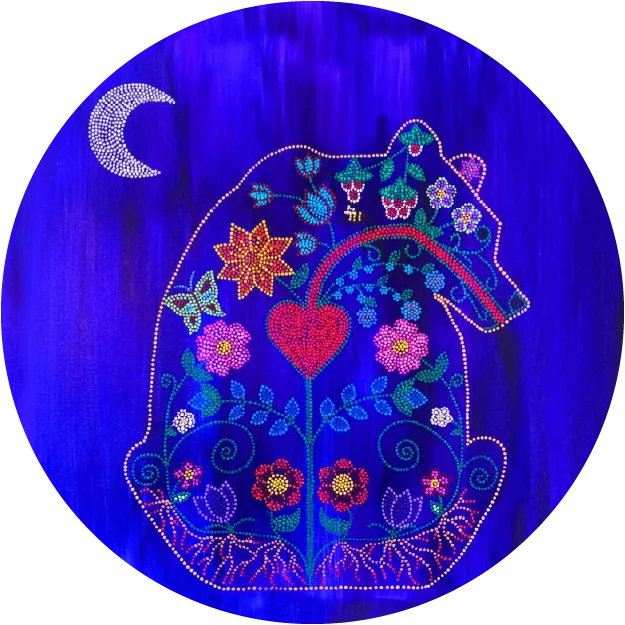
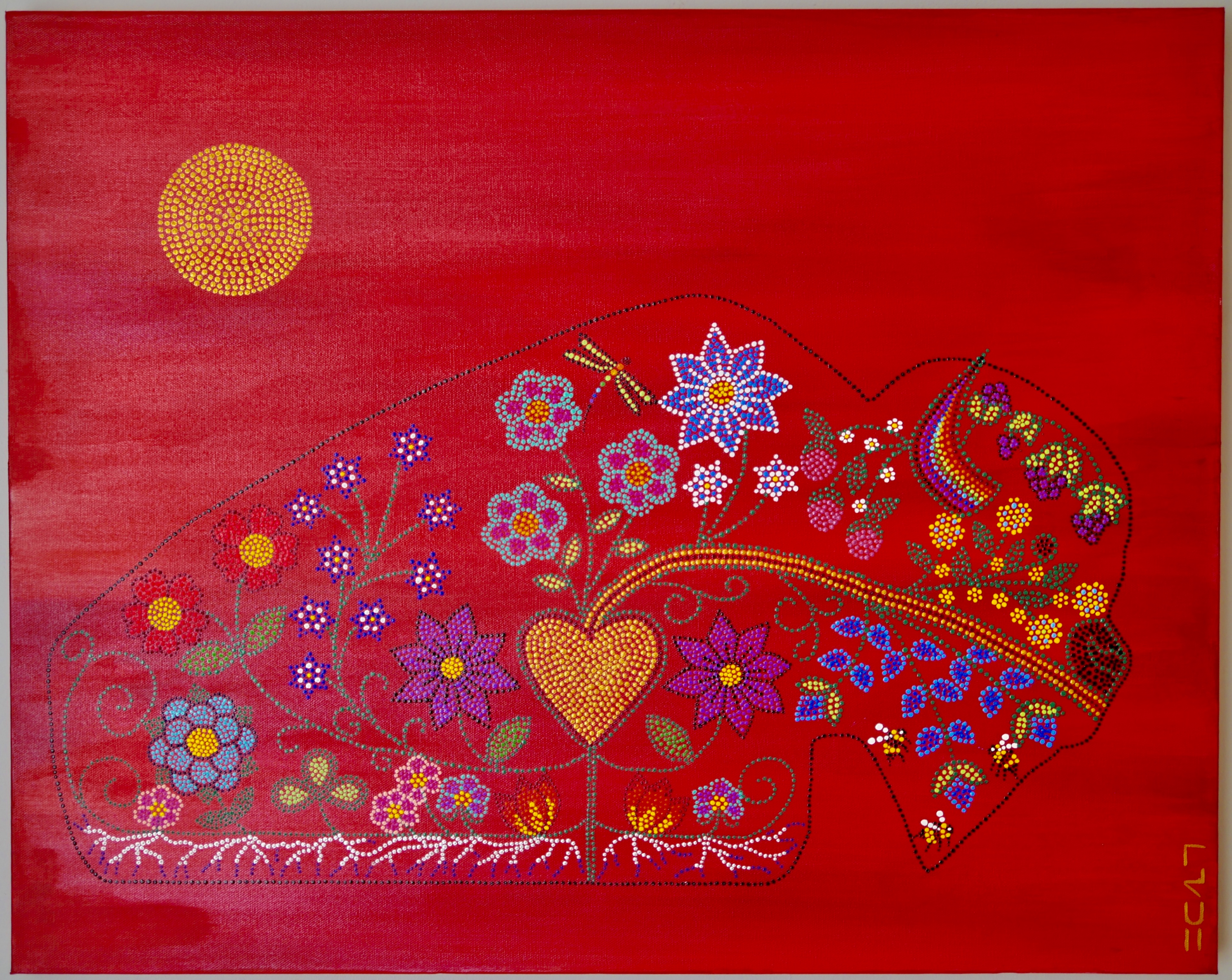
survivance is more than survival. it is more than resistance. it is the everyday, embodied, relational insistence that iyiniwak (Indigenous peoples) are still here—living, creating, loving, raising children, speaking truths, and carrying forward ways of knowing, being, and doing that genocide was designed to erase.
the word itself, offered by Anishinaabe scholar Gerald Vizenor, holds a kind of motion. it refuses the static, oppressive, victim-based narratives that colonial systems try to place on Indigenous peoples. survivance is active. it is creative. it is the continuation of life on our own terms.
survivance is something we experience in our bodies, breath, and stories. it is the way our voice trembles but doesn’t disappear. it is the way our ancestors show up in our dreams. it is the way our body remembers how to protect itself.
survivance is the grandmother who kept speaking her language in whispers.
it is the uncle who carried medicines in his pocket even when it was illegal.
it is the child who learned to read the land when the classroom tried to silence them.
it is the relative who grew up disconnected from their language and traditions but is (re)claiming it piece by piece.
these are not small things. they are acts of continuation in the face of structures built to destroy Indigenous life. survivance is not about pretending harm didn’t happen. it is about refusing to let harm define the totality of who we are.
it is the fire that has been burning since time immemorial. that kept burning when everything around it was meant to go dark.
that fire is still burning and will burn for countless generations to come.
Stay Connected with Us
Join our community to receive insightful updates and resources that support your wellness journey. Subscribe to our blog and newsletter for the latest articles and events.