genocide-informed practice in our work with iyiniwak
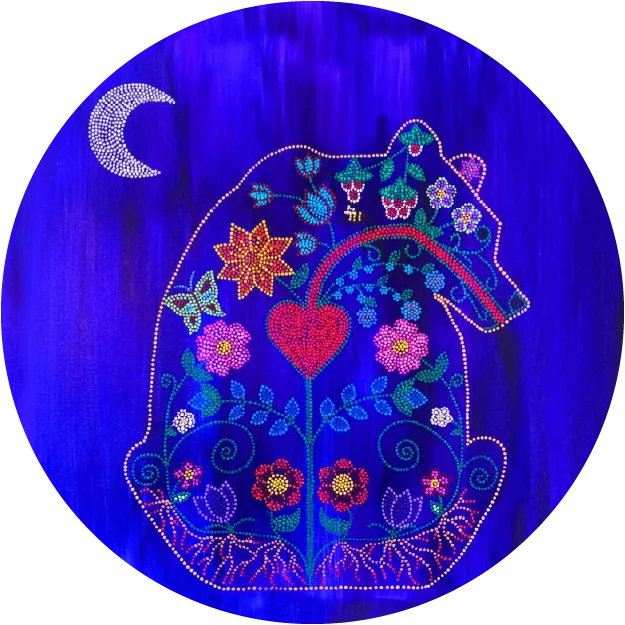
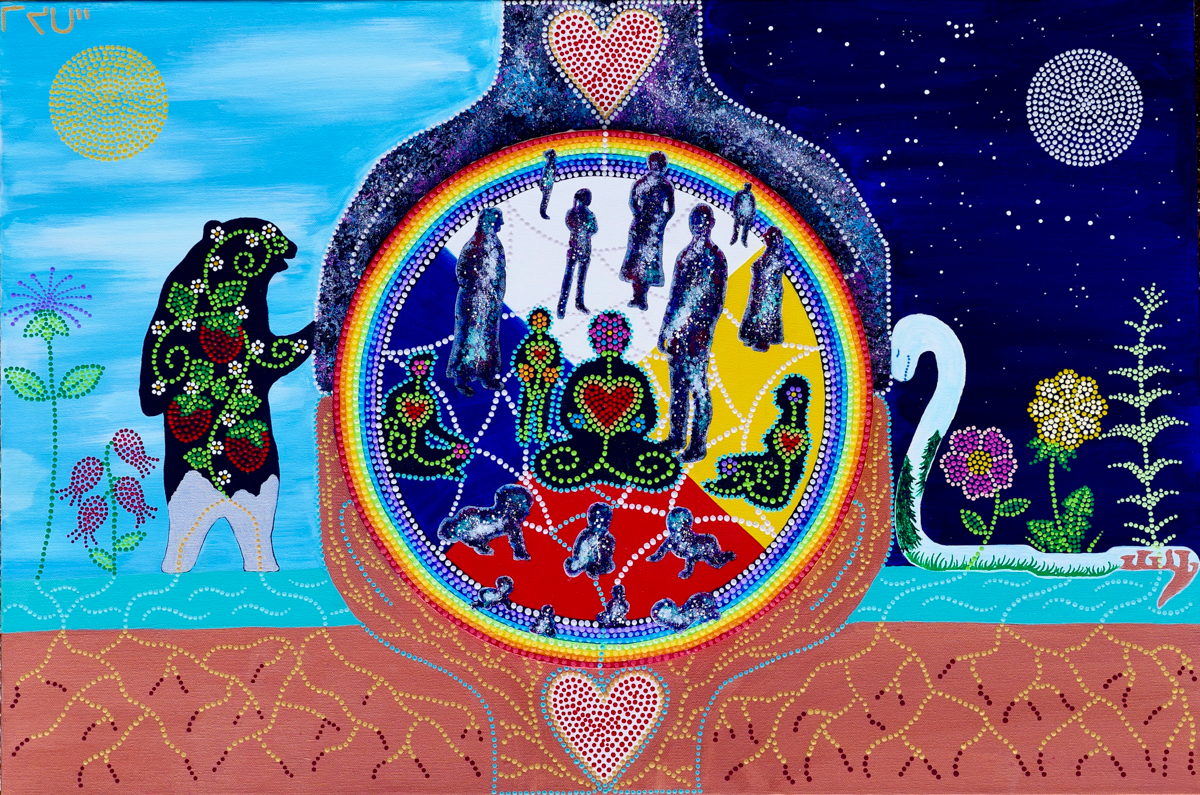
genocide-informed practice begins with truth—iyiniwak (Indigenous peoples) of turtle island have survived more than 500 years of attempted genocide, and continue to navigate ongoing threats to their lives, lands, languages, and ways of knowing, being, and doing.
using a genocide-informed approach, we know that the iyiniw coming to see us in therapy are not disordered, broken, or deficient. the conversations emerging through their bodies—often labelled “symptoms” in colonial systems—carry knowledge, teachings, and survivance strategies that have helped them move through both past and present experiences.
genocide-informed practice recognizes that the person seeking support holds the knowledge of surviving genocide within their blood and bones. it also acknowledges that genocide is not only historical—iyiniwak, their languages, and their lifeways remain under threat today. what colonial systems call “pathology” are intergenerational and collective conversations—messages about how families, communities, and nations protected themselves, adapted, and endured.
diagnosis is a colonial tool that reinforces narrow ideas of “normalcy.” while it may be used when required by euro-western systems, it does not represent the truth of who someone is. as many iyiniwak, including eduardo duran, remind us, diagnoses are cultural constructs that simply serve the systems that created them.
genocide-informed practice begins from a place of knowing that we are all whole, wise, and carry profound medicine. sometimes that inherent wellness hides behind the conversations moving through our body. our work involves uncovering what has needed to hide in the face of genocide and walk alongside all iyiniwak as they (re)connect with their own wellness.
we were never crazy. we still aren’t.
Stay Connected with Us
Join our community to receive insightful updates and resources that support your wellness journey. Subscribe to our blog and newsletter for the latest articles and events.